Moving in Alaska: Urban Relocation Guide

Relocating within Alaska’s cities is both a logistical challenge and an exciting lifestyle shift. This guide offers a deep, practical blueprint for planning a move across Anchorage, Juneau, and Fairbanks, emphasizing infrastructure, seasonal realities, neighborhood character, and long-term costs. The objective is to make informed trade‑offs: commute versus access to parks, rent versus proximity to services, and personal vehicle convenience versus bus reliability in winter conditions.
Urban Alaska weaves a distinctive fabric: downtown corridors framed by mountain ridges; compact civic centers where government services or university life anchor the economy; and residential districts that vary widely in access to trails, transit corridors, and shopping. A successful relocation strategy accounts for climate, mobility, and community—balancing budget, comfort, and future needs. The following sections deliver checklists, comparisons, and narratives designed to help new arrivals and intra‑state movers chart a confident path.
For hands‑on logistics—including packing, storage, and corridor scheduling—consider partnering with Independence Moving and Storage. Experienced coordination helps avoid peak season bottlenecks, maintains chain‑of‑custody for critical items, and reduces stress during weather‑sensitive windows.
Planning the Move: Seasons, Routes, and Timing
Seasonality is the first constraint. Winter brings icy roads, limited daylight, and more variability for ferry schedules and regional flights. Summer’s extended light accelerates weekend tasks, but also spikes demand for rentals and movers. Shoulder seasons can be cost‑effective yet unpredictable. A pragmatic plan maps out transit routes, storage contingencies, and backup dates in case storms compress timelines.
Neighborhood Fit: Access, Amenities, and Terrain
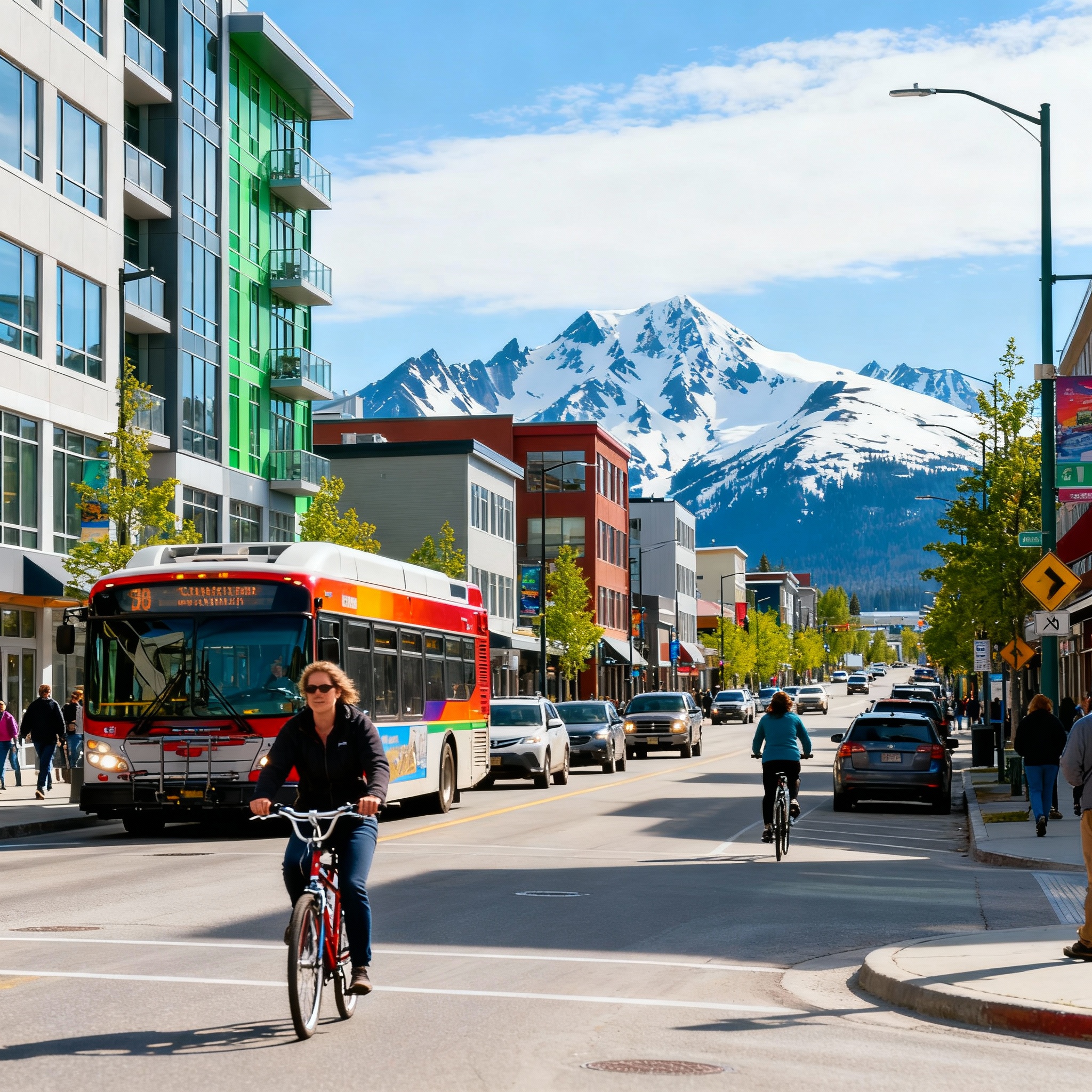
Prioritize essentials: proximity to work or school, grocery options, healthcare, and year‑round transit coverage if relying on buses. Evaluate street maintenance patterns—some residential lanes get plowed later. Topography matters: hillside homes may offer views but can complicate winter driving. For families, access to playgrounds and community centers could outweigh an extra ten minutes of commute.
Budgeting Beyond Rent
Housing is only the opening move. Include utilities, heating, occasional gear (studded tires, traction aids, winter gear upgrades), and seasonal storage. If keeping a second vehicle as a winter fallback, total cost of ownership and off‑street parking become material. Consider bundling renters insurance with auto to improve rates and protect gear that’s frequently in transit between home, garage, and storage.
Urban Rhythm and Quality of Life
Alaskan city life rewards those who actively map seasons into their routine: a trail system becomes a weekday decompression path under summer sun and a groomed ski loop in winter. Festivals, markets, galleries, and sports leagues bound the calendar, while a tight‑knit volunteer culture often bridges new arrivals into community. The right neighborhood will make those rhythms more accessible—even if it means accepting a slightly older building for the better trailhead or bus corridor.
Pre‑Move Fieldwork
- Walk sample commutes at rush hour and during snowfall to calibrate realistic travel times.
- Test bus routes on weekdays and weekends, noting first/last departures and transfer reliability.
- Visit local grocers and clinics to verify hours and emergency access during storms.
- Check building entries, stairwells, and loading zones for mover access in winter conditions.
- Confirm storage access hours, heated units, and dolly availability.
Working With Professionals
Professional movers familiar with Alaska’s corridors add value beyond transport: staging, protective materials that handle freeze‑thaw cycles, and calibrated crew sizes for condensed winter windows. Coordinators can sequence elevator bookings, street permits, and HOA notifications, shrinking friction points that often derail DIY plans during peak seasons. This is especially important when ferry or flight connections are involved.
Final Readiness
Pad the schedule with buffer days, especially for winter handoffs. Stage essentials in sealed bins, and tag fragile items for double‑wrap. Share access codes and emergency contacts with the crew lead. Set up a warm staging room at the destination to prevent condensation on electronics. The aim is not perfection but resilience—so that a sudden squall alters a timetable, not the outcome.